
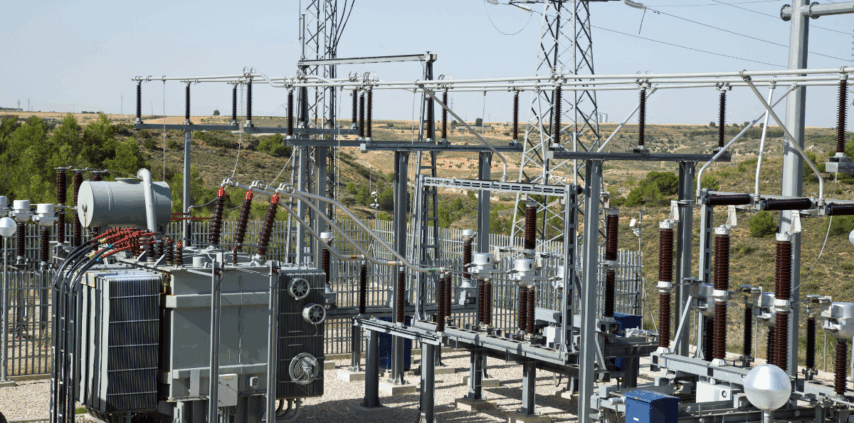
The electrical system that powers our communities, industries, and economy is under more pressure than ever before. What was once a stable, predictable landscape has become increasingly strained by aging infrastructure, rising demand, and a pace of change that many systems were never designed to handle. Across the industry, one reality is becoming impossible to ignore: decades of deferred maintenance and “run-to-fail” thinking are colliding with unprecedented growth.
Aging Infrastructure Meets Modern Demand
Much of today’s electrical infrastructure was built decades ago. While it has served its purpose, many assets are now operating well beyond their intended lifecycle. In many cases, upgrades and modernization efforts have been postponed in favor of capital expansion projects. Simultaneously, the demands placed on these systems continue to increase – from population growth and device dependence to AI-driven technologies, data centers, and electric vehicles (EVs). The result is an aging grid forced to bear an unsustainable modern load.
Predictive Maintenance Takes a Back Seat – Until It’s Too Late
Maintenance often struggles to compete with capital projects for budget and attention, allowing risk to accumulate unnoticed. This neglect is a dangerous gamble. For many utilities and large industrial facilities, the challenge is compounded by limited visibility into system health. Simply put, many organizations don’t know the true condition of their assets or how current decisions affect future growth. Operating blindly with vital equipment nearing failure is a recipe for catastrophic, unbudgeted downtime.
Compounding Industry Pressures
Infrastructure challenges are being intensified by forces across industry. On the operational side, the deck is stacked against swift recovery. Supply chains remain constrained, extending lead times for critical equipment. A deeply experienced workforce is retiring, taking decades of institutional knowledge with them. Meanwhile, qualified service providers are facing growing backlogs, reducing the margin for error when failures occur. This environment means a minor failure today can quickly escalate into a prolonged, systemic crisis tomorrow.
Planning Ahead is No Longer Optional
This combination is a recipe for failure; that is only getting worse. To regain control and ensure electrical reliability, a fundamental shift is required. Addressing today’s electrical landscape requires proactive planning, informed decision-making, and trusted partnerships. Utilities and industrial operators need comprehensive service providers who can assess system health, prioritize maintenance, and support long-term reliability – not just respond when something breaks. At RMS Energy, we believe in being that kind of partner. But more importantly, we believe every organization needs one. Those who act now through assessment planning, and collaboration will be far better positioned for what lies ahead.