
How conditional and non firm transmission service could accelerate large load energization while preserving grid reliability
The speed to power problem
The transmission upgrades required for full firm electric service may take years, while a data center, advanced manufacturing facility or other energy intensive project may need to energize much sooner.
ISO and RTO planners are therefore evaluating whether a large load can connect earlier by accepting defined curtailment, interruption or operating restrictions. The commercial tradeoff is simple: earlier access to power in exchange for a measurable risk that some portion of the load will not always be served.
CAISO, MISO and SPP are pursuing this objective through different service designs. The concepts are related, but they differ in duration, regulatory status, operating triggers and the intended path to firm service.
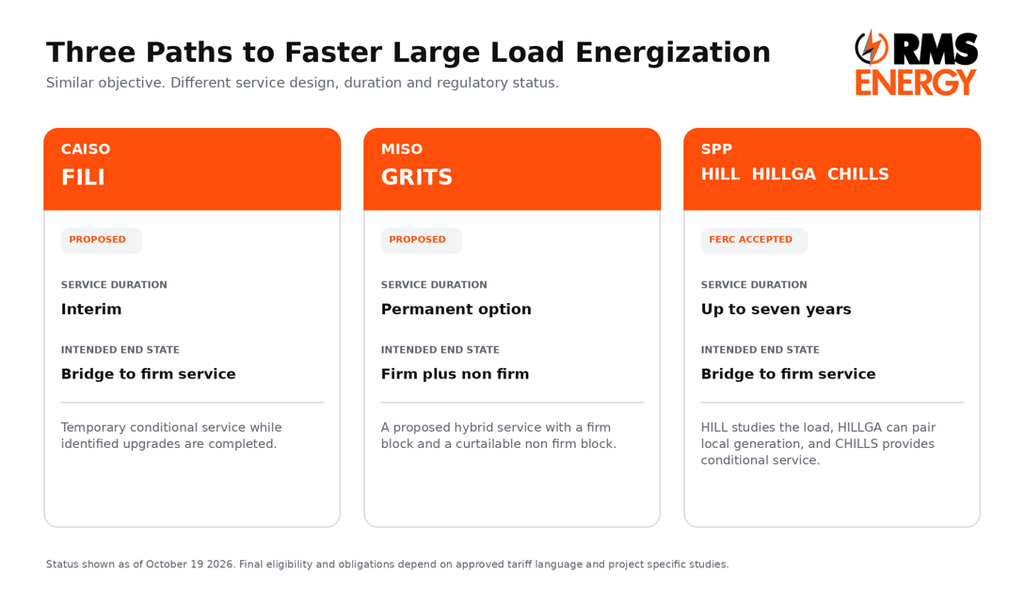
Figure 1 Comparison of CAISO FILI MISO GRITS and the SPP HILL HILLGA CHILLS framework
The traditional firm service sequence
Under the traditional model, a transmission provider studies the requested load, identifies the network upgrades and resources required to serve it, and grants firm service after those requirements are satisfied. This protects reliability but can create a long gap between the customer construction schedule and the availability of full firm power.
Flexible service seeks to use existing conditional capability during that gap. It does not remove the need for transmission planning. It changes when and under what limits a portion of the load may operate.
CAISO FILI provides an interim bridge
CAISO has proposed Flexible Interim Load Interconnection service for eligible large loads that could energize before all network upgrades needed for long term firm service are completed. The interim level would depend on available capability and project specific operating restrictions.
- A defined interim load limit
- Curtailment or interruption requirements
- Telemetry communications and operating procedures
- Potential remedial action or automated control arrangements
- Conversion to firm service after the required upgrades are completed
As of October 19 2026, FILI remains part of CAISO’s Large Loads Initiative. Draft tariff language is scheduled for stakeholder discussion on October 19, followed by anticipated Board consideration on October 28. The final obligations will depend on approved tariff language and any subsequent FERC action.
MISO GRITS combines firm and non firm service
MISO’s proposed Grid Responsive Integration Transmission Service would allow a large load to combine a firm block with a non firm block that operates when system conditions permit. The non firm portion could remain conditional on a permanent basis rather than serving only as a temporary bridge.
MISO presented GRITS to the Large Load Working Group on October 8 2026. Stakeholder feedback closed October 16. The proposal remains under development, and stakeholders have raised questions about study methods, curtailment triggers, resource adequacy treatment, remote disconnection, penalties and the process for increasing firm service.
The proposed design illustrates an important operational point. Flexibility must be measurable and enforceable. A contractual right to curtail a load has limited reliability value unless the operator can issue an instruction, verify the response and manage restoration.
SPP has moved further into implementation
SPP separates its framework into three related components.
- HILL establishes enhanced processes for studying and integrating a High Impact Large Load.
- HILLGA provides a separate expedited assessment for generation intended to serve a HILL in the same local area.
- CHILLS provides conditional as available transmission service while the customer awaits the resources or network upgrades required for long term firm service.
FERC accepted the HILL and HILLGA tariff revisions in January 2026 and accepted Conditional High Impact Large Load Service in June 2026. CHILLS is subject to curtailment and interruption and can have a maximum term of seven years.
SPP’s framework is notable because it connects large load studies, transmission service and the interconnection of generation intended to serve the new load. That coordination may help projects evaluate load and supporting generation as a related development plan rather than as completely separate transactions.
The requirements are converging but remain different
CAISO FILI and SPP CHILLS are designed as interim pathways toward firm service, while MISO GRITS could preserve a permanent non firm portion. SPP has already received FERC acceptance for key HILL, HILLGA and CHILLS components; CAISO FILI and MISO GRITS remain proposals. The treatment of supporting generation, curtailment triggers, study methods and operating obligations also differs by market.
Flexible service must be engineered
A project cannot establish flexibility by describing a large load as interruptible. The electrical design and control system must show how the facility will respond.
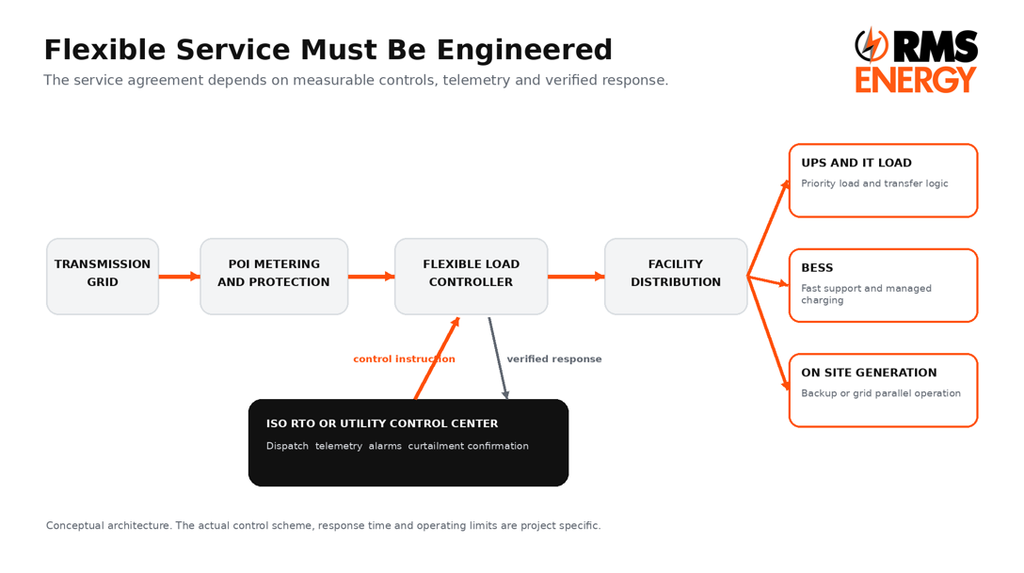
Figure 2 Conceptual control and telemetry architecture for a flexible large load
The design should define the minimum firm power requirement, the curtailable megawatts, the required response time and the restoration sequence. It should also explain how UPS equipment, batteries, backup generation, protection and workload controls interact during a curtailment event.
For some projects, these interactions may need to be represented in both positive sequence dynamic and electromagnetic transient models. The service agreement and the engineering model must describe the same operating facility.
Actions for large load developers
- Separate total demand from minimum firm demand. The ultimate campus demand may be much larger than the grid supply required to maintain critical operations.
- Define flexibility before the study begins. Curtailment capability should shape the electrical design, control architecture and model package from the start.
- Evaluate commercial exposure. Earlier energization may have limited value if the expected interruption frequency conflicts with customer commitments or equipment limitations.
- Model the actual controls. The model may need to represent UPS behavior, BESS charging, backup generation, protection logic and load restoration.
- Prepare for operational coordination. The facility may need real time telemetry, dispatch communications, automated response and commissioning evidence.
- Preserve the path to firm service. The project should track the upgrades, resources and financial commitments needed to reach its final service level.
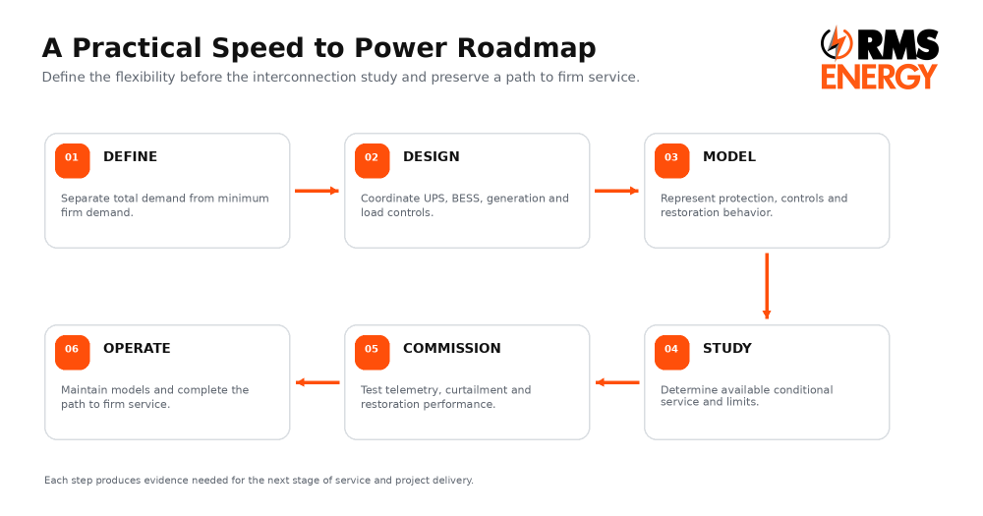
Figure 3 Recommended sequence from load definition through conditional operation and firm service
What this changes
Conditional and non firm service can improve a project’s energization schedule, but it shifts part of the solution from construction into operations. The system operator must be able to observe the load, understand its dynamic behavior, issue a curtailment instruction and confirm the response.
Projects that can quantify their minimum firm requirement and demonstrate dependable flexibility will be better positioned to evaluate these emerging pathways. A claim of flexibility is not enough. The capability must be represented in the design, the operating agreement, the models and the commissioning results.
Learn how RMS Energy supports complex transmission projects here: T&D engineering and consulting services