
From interconnection to operation
The model passed the interconnection study. Does it still represent the plant being built?
For developers, independent power producers and asset owners, that question becomes increasingly important as a project moves from its initial application through equipment procurement, commissioning and commercial operation.
An interconnection model represents a particular design, equipment selection and set of control assumptions. As the project develops, those assumptions can change. A different inverter firmware version, revised plant controller settings or modified reactive compensation scheme may affect disturbance response. Maintaining alignment between the study models and the actual plant requires attention throughout the project’s life.
Recent NERC actions reinforce model fidelity
On October 8, 2026, NERC’s Board adopted revisions to FAC-011-5, TOP-003-9 and TPL-001-6 addressing IBR modeling, operational data and transmission planning assessments under FERC Order No. 901. The actions strengthen the framework for representing and evaluating inverter-based resources and distributed energy resources.
Board adoption must be distinguished from regulatory approval and effective compliance dates. These actions should not be interpreted as a universal requirement for every project to submit a PSCAD model. Their practical significance is the continued emphasis on whether reliability-study models adequately represent resource performance.
How a study model can drift from the plant
Consider an illustrative 200 MW solar facility paired with a 100 MW battery energy storage system. Its interconnection PSS/E and PSCAD models represent proposed inverters, battery converters, plant controls and the electrical network.
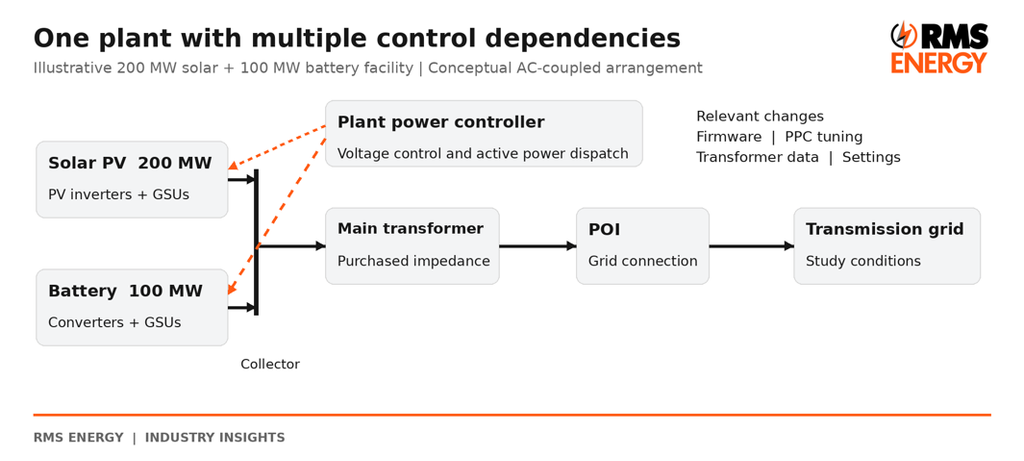
Figure 2 Illustrative plant arrangement and control dependencies
Before commissioning, the OEM updates inverter firmware; voltage-control gains and battery operating controls are refined; transformer impedances are reconciled with purchased equipment; and a reactive device receives revised settings.
Each change may be reasonable. Together, they can create differences between the studied plant and the installed facility. Engineers must determine whether these changes affect fault ride-through, current limiting, active-power recovery, voltage regulation or control interactions, and whether earlier results remain representative.
Testing and validation answer different questions
Model quality testing, cross-platform benchmarking and equipment or field validation establish different forms of confidence. Together, they provide a more complete basis for accepting a model.
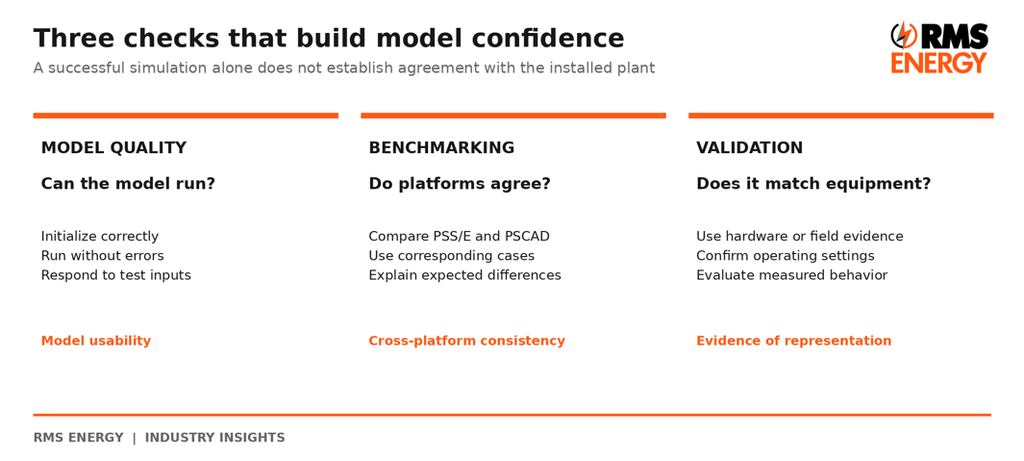
Figure 3 Model usability cross-platform consistency and equipment representation
Model quality testing checks whether a model initializes correctly, runs reliably and responds appropriately to specified inputs and disturbances.
PSS/E–PSCAD benchmarking compares responses under corresponding test conditions. Differences need engineering interpretation because a positive-sequence model cannot reproduce every phenomenon captured by EMT simulation.
Validation against equipment or field evidence evaluates whether the model represents actual behavior. Depending on the applicable requirements and available evidence, this may involve hardware tests, commissioning measurements or recorded disturbances.
A model can run successfully while representing outdated settings. Two models can agree closely while sharing the same incorrect assumptions. A complete review therefore considers both the simulation results and the equipment, settings and configuration those results represent.
The objective is to connect model usability and consistency with evidence of plant performance. Passing a standard test suite does not, by itself, establish that every interaction with the surrounding network has been assessed.
Connect model updates to project milestones
Establish clear review points throughout project development. The exact deadlines and deliverables depend on the applicable operator, tariff and interconnection agreement.
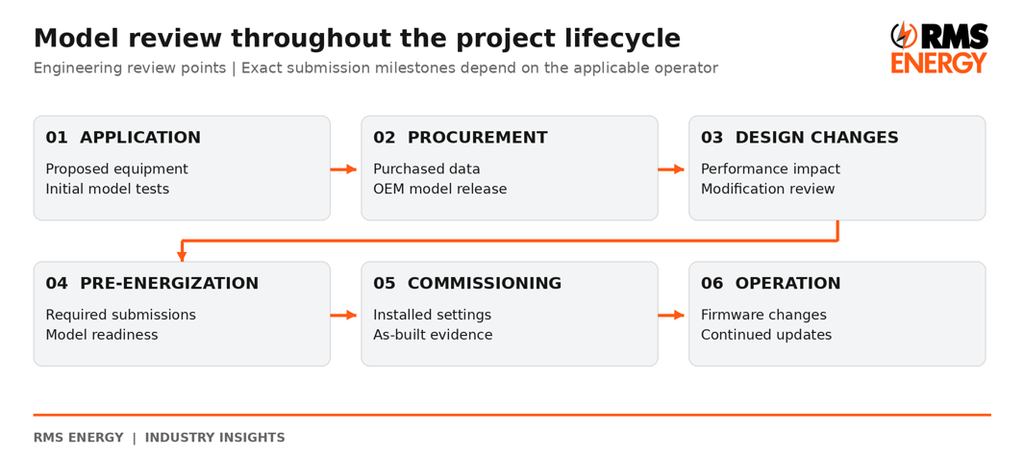
Figure 4 Model review points from application through operation
| Project stage | Engineering focus |
| Interconnection application | Document proposed equipment, controls, assumptions and required model tests. |
| Procurement | Reconcile models with purchased equipment and confirmed OEM data. |
| Design changes | Assess performance impacts and applicable modification-review obligations. |
| Before energization or synchronization | Confirm model readiness against applicable operator milestones. |
| Commissioning and commercial operation | Reconcile installed settings, test evidence and as-built deliverables. |
| Subsequent operation | Review relevant firmware, control, equipment and configuration changes. |
For example, ISO New England’s PP5-6 requires as-purchased data at least 180 calendar days before initial synchronization and as-built/as-tested data before commercial operation, with review before the corresponding operating permission. Model and data reconciliation therefore belong in the project schedule.
Decide what needs to be repeated
Every change deserves an appropriate assessment. The extent of additional testing should follow the change’s technical significance and the applicable operator requirements. A control-setting revision may warrant targeted testing and renewed benchmarking. A significant equipment substitution or configuration change may require broader model updates, additional studies or formal modification review.
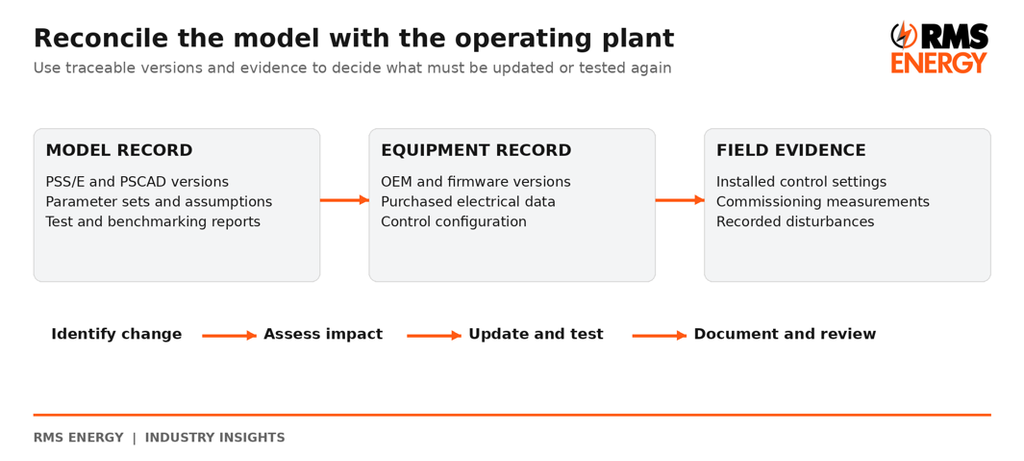
Figure 5 Reconcile model records equipment information and field evidence
The assessment should identify what changed, which model parameters and performance characteristics are affected, which earlier conclusions need review, what evidence supports the revised model, and whether operator review or approval is required.
Make ownership clear
Model accuracy depends on coordination among developers, OEMs, engineering consultants, EPC contractors, commissioning teams and asset owners. A useful record identifies equipment and firmware versions, control settings, model releases, test report revisions and the underlying plant configuration. It also identifies who communicates changes and maintains each deliverable.
Establishing that ownership early can reduce uncertainty when procurement decisions, control tuning or commissioning findings affect the studied design.
The proposed plant, the studied plant and the operating plant should remain connected through accurate models and traceable engineering evidence.
Learn how RMS Energy supports complex transmission projects here: T&D engineering and consulting services
#RMSEnergy #IndustryInsights #EMT #PSCAD #PSSE #ModelQualityTesting #ModelValidation #GeneratorInterconnection #NERC #FERCOrder901 #BESS #InverterBasedResources #Commissioning #PowerSystemPlanning