
Safety First at RMS
At RMS, safety doesn’t begin when you step onto a job site; it begins the moment you walk through the doors for New Hire Orientation. From day one, every employee is introduced to our expectations, our culture, and the non-negotiables that define how we work.

Safety isn’t a slogan or a catchphrase. It’s the foundation of every decision we make.
When orientation is done right, it sets the tone for everything that follows. Employees understand they are empowered to speak up. They know shortcuts are unacceptable. They see clearly that production never outweighs safety. From that first day forward, safety becomes a lived behavior, reflected in how we plan, communicate, and execute our work.
What “Safety First” Looks Like on the Job Site
On a job site, safety first is visible in the details.
It’s crews arriving prepared and mentally focused, taking time to review the day’s tasks instead of rushing in. It’s supervisors and team members walking the site together before tools ever come out, identifying hazards as they exist in real time.
It’s pre-task planning that’s more than paperwork. It’s a meaningful conversation where every voice matters, where assumptions are challenged, questions are encouraged, and potential risks are discussed openly.
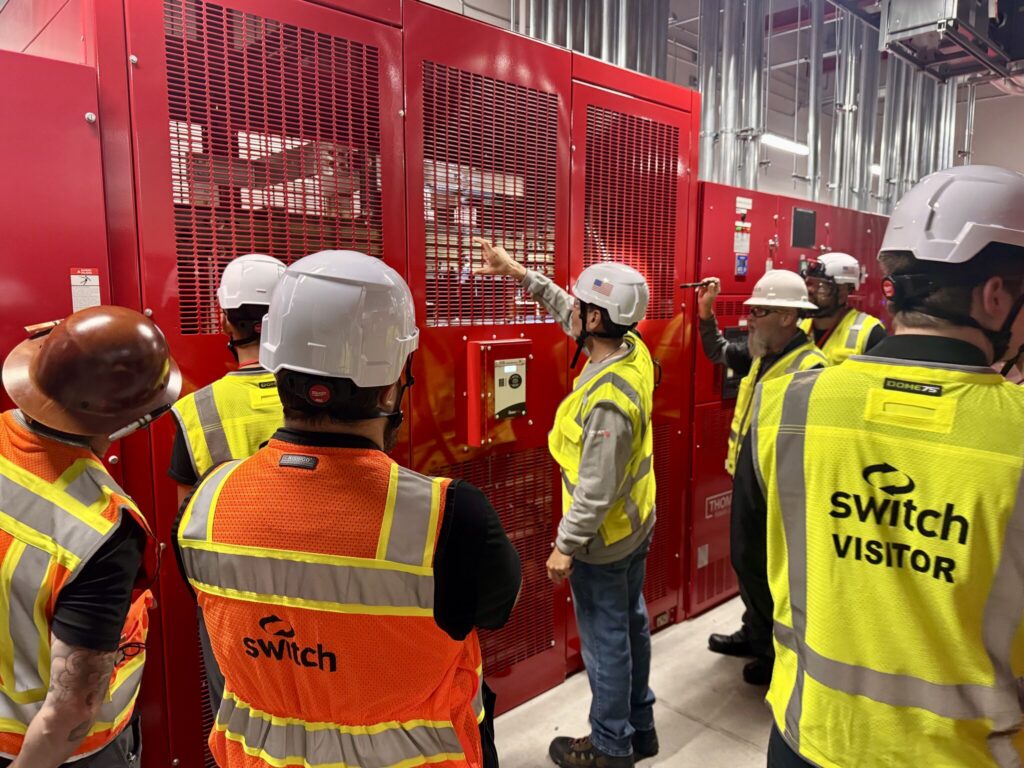
Safety first looks like:
- An operator refusing to run equipment without a proper walk-around.
- An electrician verifying Lockout/Tagout points instead of trusting a tag.
- A rigger checking sling angles and load weight before making a lift.
- An employee stopping work because something doesn’t feel right.
It’s PPE inspected before it’s worn—hard hats without cracks, gloves without holes, harnesses without frays, boots that truly protect. It’s clean, organized work areas that reduce unnecessary risk.
It’s also the way we communicate – clear, direct, and respectful. Miscommunication is one of the most common root causes of incidents, so we prioritize clarity at every level. Every employee, regardless of title or tenure, has both the authority and the responsibility to stop work when conditions aren’t right.
Safety first is seen in properly established work zones with barricades, signage, spotters, and controlled access points that isolate hazards and create predictability. It’s a job lead who refuses to let production pressure override safe decision-making and a company that supports that decision every time.
Safety Starts Long Before the Job Site
The truth is, safety first begins long before we arrive onsite.
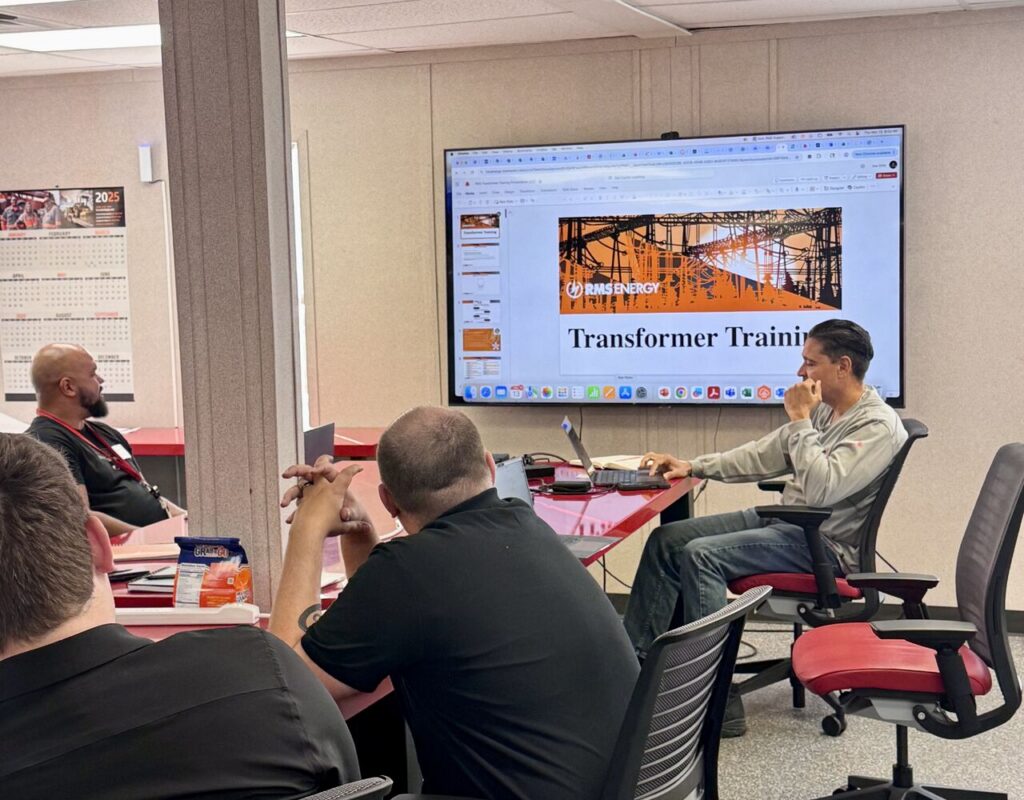
It starts with training, equipping employees with the skills, knowledge, and hazard awareness necessary to perform their tasks safely. It starts in the planning phase, where supervisors review drawings, coordinate trades, identify critical lifts, and anticipate conflicts before they become problems.
It starts with a thorough Job Safety Analysis (JSA) that guides decisions and helps crews understand the specific risks of the work ahead. And it starts with the expectations set during orientation, how we think, act, and communicate.
Training and planning reduce risk because they eliminate guesswork. They provide the confidence and clarity employees need to perform consistently and safely. When crews understand the scope of work, the hazards, the controls, and the plan, they’re not reacting, they’re executing with intention.
And when conditions change, as they often do, they are prepared to reassess, adapt, and make safe choices.
A Commitment That Goes Home With You
Safety first means every employee goes home in the same condition they arrived. It means no task is so urgent or important that it cannot be done safely.
It’s the difference between hoping for safety and building it deliberately, every day, through preparation, communication, training, and leadership.
When we say “Safety First,” this is what we mean:
– A job site where risk is controlled.
– Hazards are anticipated.
– Employees are empowered.
And safety isn’t an afterthought, it’s the foundation of everything we do.