
September 2026 Questions and Answers on Study Models Co Located Generation and Transmission Service
September 2026 Southwest Power Pool Large Load Questions and Answers
SPP’s High Impact Large Load framework is moving from policy design into day to day study execution. The September 17 Large Load Q and A addressed the questions that determine whether a project team can reproduce SPP’s analysis and manage a co located development with confidence: what becomes public, how models are obtained, which planning cases are used, how generation is dispatched, which trip events are tested, and whether load can be netted against on site resources.
The central message is straightforward. SPP is offering faster and more coordinated pathways, but speed depends on complete data, aligned load and generation assumptions, early access to study models, and a planning case that represents the full transmission obligation rather than only the expected net meter flow.
What SPP Classifies as a High Impact Large Load
SPP defines a HILL as a commercial or industrial facility or a single site aggregation whose demand operational characteristics or other factors can create reliability risk. The definition includes examples such as data centers cryptocurrency mining hydrogen electrolyzers manufacturing and arc furnaces. HILLs are Non Conforming Loads and must be registered accordingly.
The adopted threshold is voltage dependent. A new or modified load may be classified as a HILL when peak demand is at least 10 MW at a point of interconnection of 69 kV or below or at least 50 MW at a point above 69 kV. The classification applies to qualifying requests submitted through Attachment AQ Attachment AX or Attachment BA after the HILL framework took effect.
A Coordinated Set of Pathways
SPP’s public HILL page describes a suite intended to coordinate transmission service delivery point analysis and supporting generation. The core HILL process routes a load through Attachment AQ or AX. Conditional HILL Service is a time limited service option shaped by transmission limitations. HILLGA studies supporting generation in parallel with the associated load and provides a bridge to SPP’s standard generator interconnection process.
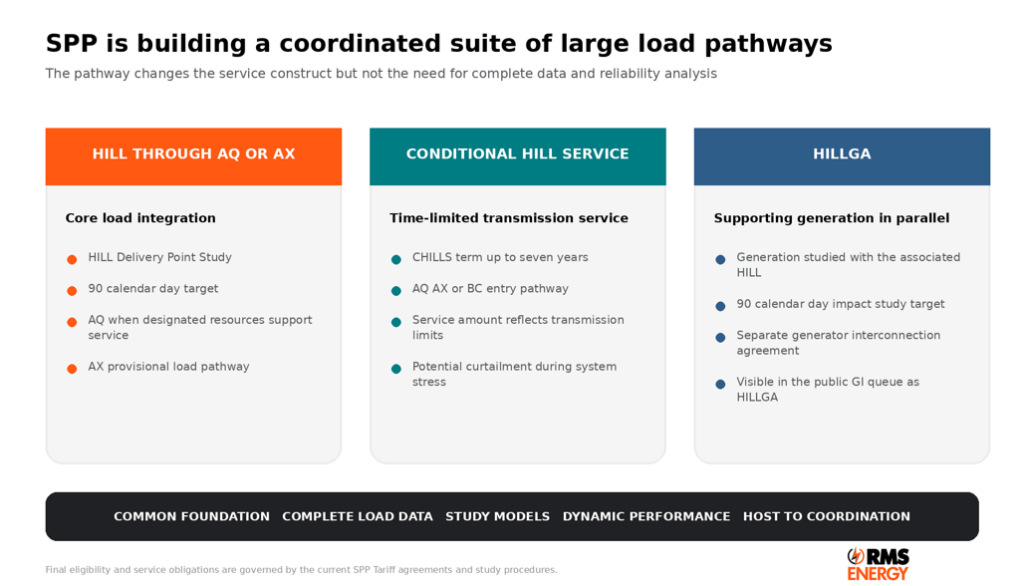
Figure 1 SPP’s HILL suite coordinates load service conditional service and supporting generation
The 90 Day Study Is a Target With Preconditions
SPP’s one page process documents describe a 90 calendar day target for the HILL Delivery Point Study and related assessments. The clock begins only after the request is valid the applicable study agreement and deposits are in place and data validation is complete through the scoping process. The host Transmission Owner performs its load connection work in the same window and SPP considers affected system impacts as needed.
Study scope includes steady state transient stability short circuit ratio and short circuit ratio critical clearing time screening. A failed screening can lead to electromagnetic transient analysis outside the 90 day window. SPP therefore recommends providing a PSCAD model at submission when EMT work may be needed.
Submission Quality Drives Schedule Quality
- Ten year load forecast with seasonal MW and MVAR detail for the delivery point
- One line diagram and local delivery facility changes
- Power flow IDEV data and applicable dynamic models such as CMLD or PERC1
- The Additional HILL Characteristics Form under Business Practice 7850
- Coordinated information for planned generation storage controls and service arrangements
The September Questions and Answers
The latest session focused less on high level policy and more on study reproducibility. Those answers are summarized below and then translated into project implications.
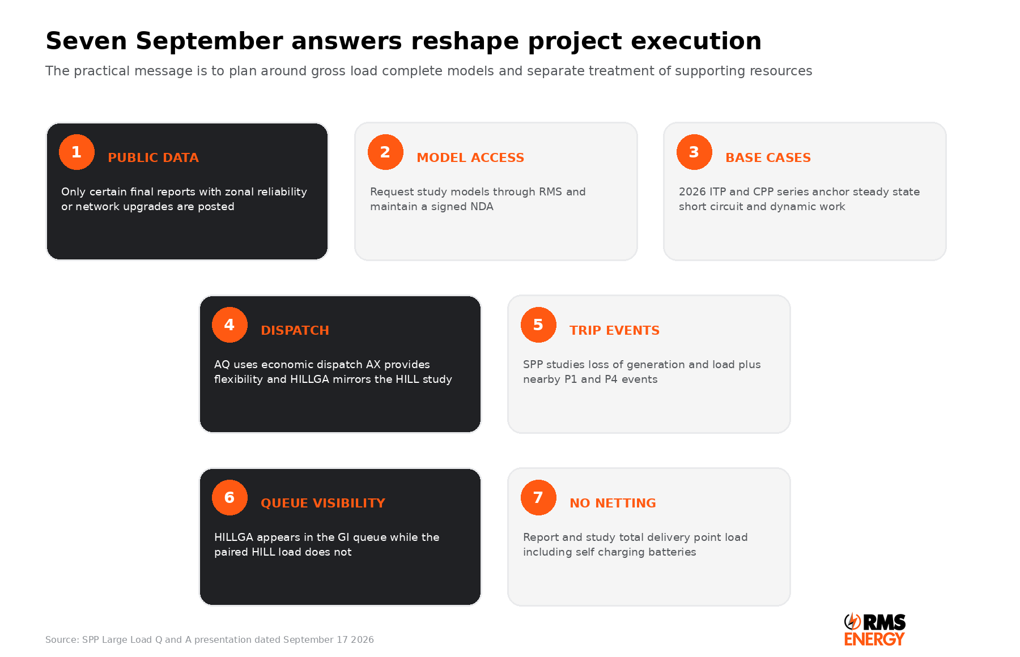
Figure 2 The September answers concentrate on execution data and study assumptions
1 SPP Does Not Publish Every HILL Request or Study
SPP’s answer was not a blanket yes. After a Transmission Customer acknowledges that the load request will be added to a Service Agreement SPP posts a study report only when zonal reliability or network upgrades are needed. Applicable reports are available through SPP’s Engineering Tariff Studies Delivery Point Studies area for cases with network upgrades and Notifications to Construct.
The market implication is important. The absence of a public report does not mean the absence of a HILL request. Developers should not treat published delivery point reports or the generator queue as a complete inventory of large load demand.
2 Model Access Runs Through RMS and an NDA
SPP directed customers to submit a model order request through the Request Management System. A signed nondisclosure agreement is required before protected model data are shared. The practical step is to request the applicable models and local study files early enough to reproduce the analysis before deadlines tighten.
3 The Starting Topology Comes From the 2026 ITP and CPP Series
For transmission service studies SPP uses the 2026 ITP Base Reliability Model Series also identified as the 2026 CPP models. These cases include the latest transmission service load studies and approved upgrades. The steady state set covers 2026 2027 2028 2030 and 2035 with summer winter summer shoulder and light load cases as applicable. Transmission Services develops the year three summer and winter cases.
Short circuit analysis uses the 2030 Summer Max Fault model. Dynamic analysis uses the 2026 Transmission System Planning series with 2027 and 2035 summer peak base and change cases or winter peak cases for winter peaking areas.
4 Co Located Generation Depends on the Service Path
Under Attachment AQ generation is economically dispatched as part of the broader resource stack serving the customer’s network load. Under Attachment AX the customer has greater dispatch flexibility within the applicable firm service framework. For HILLGA the supporting generator dispatch is intended to mirror the associated HILL study dispatch under Business Practice 7250.
This means a co located project should not use a single generic net import assumption across every season and every process. The dispatch case must match the chosen transmission service pathway and the HILLGA study setup.
5 SPP Tests the Complete Loss of Supporting Generation
SPP confirmed that the HILL study evaluates an instantaneous 100 percent loss of the co located generator while the load remains in the case. Steady state analysis includes the P1 loss of the generator and P3 events that combine generator loss with another element. Stability analysis includes loss of generation loss of HILL and all P1 and P4 events within three buses of the HILL.
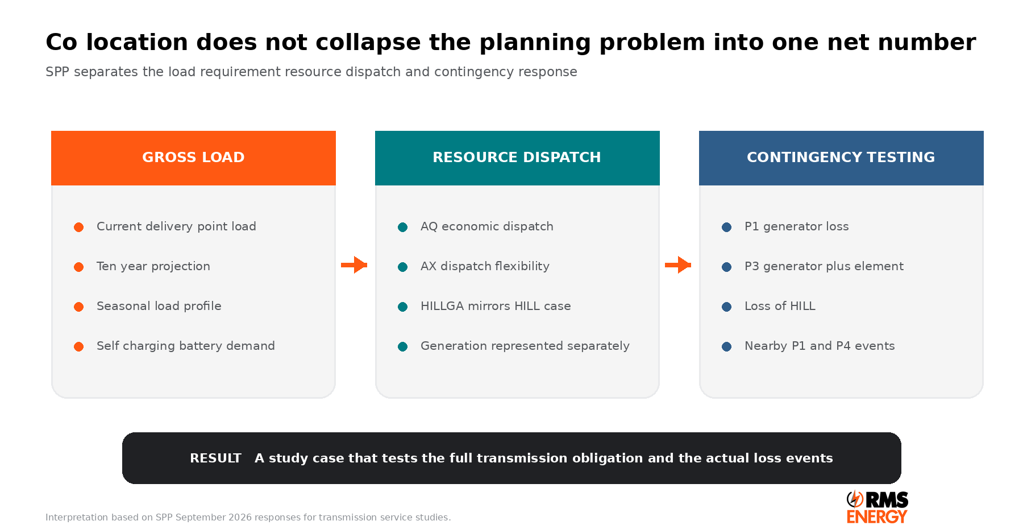
Figure 3 SPP separates the transmission obligation dispatch assumptions and loss events
6 HILLGA Is Visible but the Paired Load Is Not
SPP will represent HILLGA requests in the public Generator Interconnection Queue in accordance with Attachment BB. The Current Cluster field identifies the request as HILLGA. The associated HILL load is not included in that queue and the paired load MW therefore cannot be cross referenced directly from the public generator record.
7 SPP Does Not Net Load and Generation
When network service is initiated the Transmission Customer must report all load at the delivery point including the current amount and ten year projection. SPP does not reduce that obligation for behind the meter generation operational controls or a battery intended to shave the peak. Those resources are represented separately in the study.
Batteries with self charging capability or long term transmission service must be included in the reported load. SPP distinguished market storage resources because they do not hold firm transmission service and can charge only when the market permits.
What the September Answers Mean for Developers
1. Build the request around gross demand. Use the full delivery point obligation as the planning anchor. Treat on site generation storage and controls as separate modeled resources rather than a reason to reduce the load request.
2. Secure model access before the study starts. Complete RMS and NDA steps early. Reproducing SPP’s topology contingencies and dispatch is difficult if model access arrives late.
3. Coordinate HILL and HILLGA as one technical program. Maintain a shared seasonal dispatch table one line diagram controls description milestone plan and request cross reference even though the public queues remain separate.
4. Prepare for the generator loss case. Confirm whether the transmission system can carry the full load immediately after supporting generation trips. Evaluate load response transfer logic protection and recovery without assuming perfect controls.
5. Screen EMT requirements early. A failed SCRCCT screen can move PSCAD analysis outside the 90 day target. Model readiness vendor support and data rights should be addressed before submission.
6. Treat study validity as a commercial milestone. SPP’s process documents state that study results are valid for one year. Service agreement decisions network upgrade commitments and related development approvals should be scheduled around that window.
A Practical Readiness Checklist
- Confirm whether the request belongs in AQ AX BA or a coordinated conditional service pathway
- Document HILL threshold voltage peak demand and Non Conforming Load registration
- Reconcile seasonal load generation and battery assumptions across power flow dynamics short circuit and EMT models
- Map each generator and load request to its SPP identifier because the public queue will not provide the pairing
- Validate NDA model access deposits study agreements and scoping inputs before relying on the 90 day target
- Plan contingencies for loss of generation loss of load and nearby P1 P3 and P4 events
RMS Energy Perspective
SPP’s framework creates a credible path to move large load projects faster without treating reliability as a secondary step. The September answers sharpen that framework by making the modeling rules more concrete. The decisive issue is no longer whether a load has supporting generation. It is whether the project can present a complete auditable set of load resource and contingency assumptions that remain consistent across service studies generator studies and operations.
For data centers advanced manufacturing and other high density demand the strongest development strategy is therefore integrated from the start. Transmission service generation interconnection dynamic behavior storage charging and commercial milestones should be managed as one program even when SPP administers them through different attachments and public records.
Learn how RMS Energy supports complex transmission projects through our T&D Engineering and Consulting Services
Important Qualification
This Industry Insight reflects SPP materials available through September 21 2026 including the September 17 Large Load Q and A presentation. The SPP Tariff current Business Practices executed study agreements and subsequent SPP or FERC actions control project specific obligations. CHILLS and other evolving pathways should be confirmed against the latest effective documents before a filing or commercial decision.
Official SPP Sources
• SPP High Impact Large Load Integration
• SPP Large Load Questions and Answers September 2026
• SPP High Impact Large Load Process One Pager
• SPP High Impact Large Load Generator Assessment One Pager