

Five takeaways from the Sept. 1, 2026 Interconnection Process Working Group
MISO’s Sept. 1 IPWG materials point to a common theme: speeding up interconnection is no longer only about moving projects through the queue faster. It is increasingly about improving the quality of the models, identifying high-risk studies earlier, and reducing the restudy loops that keep older cycles alive.
THE CENTRAL SHIFT MISO is tightening the study architecture around better data, earlier screening, and fewer unnecessary restudies, while stakeholders are pushing for more realistic storage assumptions and a targeted path to clear legacy queue congestion.
1. EMT studies may become more targeted through NSCR screening
MISO proposed Network Short Circuit Ratio (NSCR) as the primary system-strength screening metric for deciding where detailed EMT analysis is warranted. The method is designed for IBR-heavy areas where traditional SCR can miss interactions among nearby inverter-based resources.
- Proposed weak-system screening threshold: NSCR < 3.0.
- Proposed interaction-factor cutoff: 10%, to exclude electrically remote IBRs.
- NSCR would screen for EMT need; it would not replace EMT analysis.
The practical benefit is earlier triage. EMT studies are computationally intensive, and MISO’s supporting white paper notes that introducing them late in DPP can create schedule risk and rework.
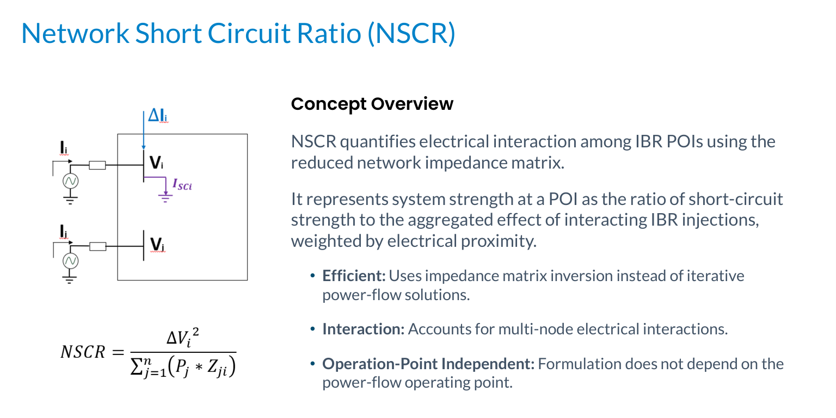
Figure 1. Network Short Circuit Ratio concept for system-strength screening.
Feedback deadline: Sept. 15, 2026.
2. The GIAA portal is being positioned as the project-data source of truth
MISO is also standardizing the power-flow model data submitted with interconnection applications. The immediate driver is simple: multiple DPP cycles are being studied at the same time, while FERC Order 2023 adds stronger schedule accountability.
- Use the GIAA portal as the latest source of project-design assumptions from application through GIA.
- Require customer-provided PSS/E .raw models in forms that can be merged into the starting MTEP case.
- Audit portal data and resolve inconsistencies before automated model building.
This is less glamorous than a new study methodology, but it may be one of the highest-leverage changes. A queue cannot move quickly when engineering data are duplicated, inconsistent, or missing connectivity information.
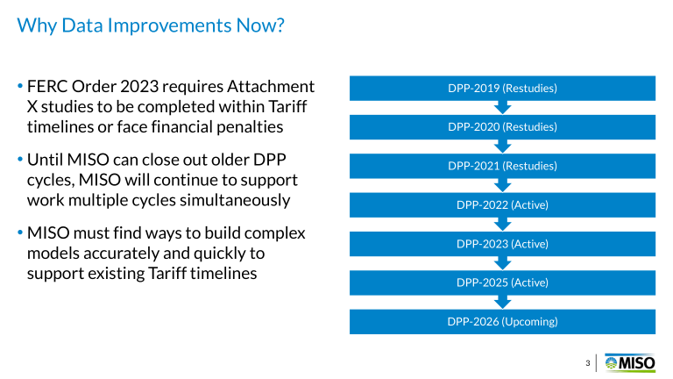
Figure 2. MISO is supporting multiple active and restudy DPP cycles simultaneously.
Source: MISO, “Standardizing Generator Interconnection Application Model Data,” IPWG, Sept. 1, 2026, p. 3.
3. MISO is questioning whether every late withdrawal should trigger another full restudy
Older DPP cycles have accumulated repeated post-Phase 3 restudies. Central DPP-2019 alone is shown with 13 restudies, and each additional pass can add months to the cycle and delay work behind it.
- MISO is considering a more streamlined restudy process focused on reliability impacts.
- The existing Tariff gives MISO discretion to determine when a restudy is actually necessary.
- Tariff and/or BPM-015 revisions are under development.
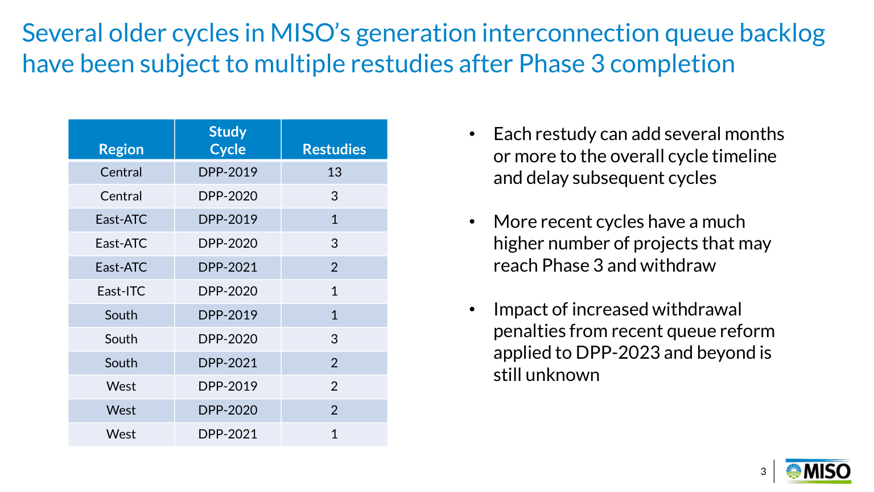
Figure 3. Restudy counts across older MISO DPP cycles.
Source: MISO, “Generator Interconnection Queue Improvements – Queue Cycle Restudy Process,” IPWG, Sept. 1, 2026, p. 3.
Feedback deadline: Sept. 16, 2026.
4. Storage developers are pushing for study assumptions that reflect how batteries actually operate
A Spearmint Energy stakeholder proposal argues that fixed fuel-based dispatch does not capture storage’s bidirectional, nodal, and price-responsive behavior. The proposal says static charging and discharging assumptions can create artificial constraints and unnecessary network upgrades.
- The proposal calls for more dynamic storage representation in interconnection and planning studies.
- It argues that storage can relieve constraints by charging or discharging based on location and system conditions.
- Spearmint cites prior stakeholder feedback in which 76.9% of responses supported changing MISO storage-modeling assumptions.
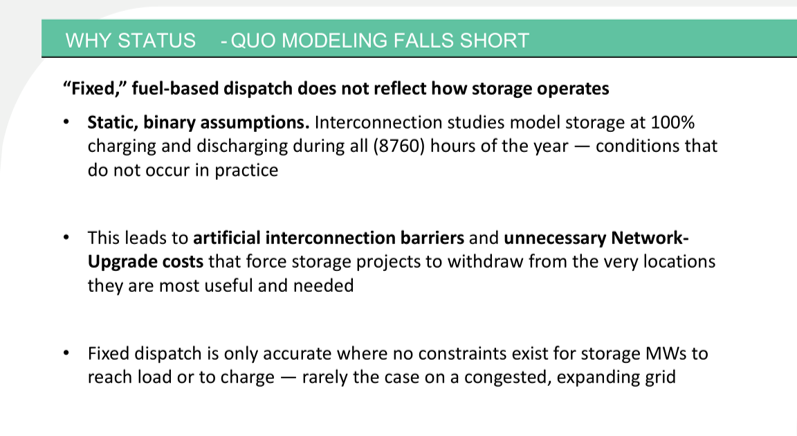
Figure 4. Stakeholder view of why fixed storage-dispatch assumptions can fall short.
Source: Spearmint Energy, “Enhancing Storage Modeling in MISO Interconnection & Planning Studies,” MISO IPWG, Sept. 1, 2026, p. 4.
Important distinction: this is a stakeholder proposal presented at IPWG, not an adopted MISO policy.
5. A separate stakeholder proposal targets the legacy backlog directly
Clearway Energy Group, NextEra Energy Resources, and EDP Renewables proposed a Legacy Queue Acceleration Framework aimed at older DPP clusters that continue to cycle through withdrawals and restudies.
- Create a one-time, targeted penalty-free withdrawal opportunity for qualifying legacy projects before Phase 3 modeling.
- Limit the process to defined older clusters rather than offering a broad queue-wide exit.
- Modernize modeling assumptions so later DPP cycles do not automatically carry every prior-queued project regardless of project maturity.
The proposal’s logic is that years of delay can change financing, equipment costs, and project economics. Allowing clearly non-viable legacy projects to exit could leave a more stable project set for final studies.
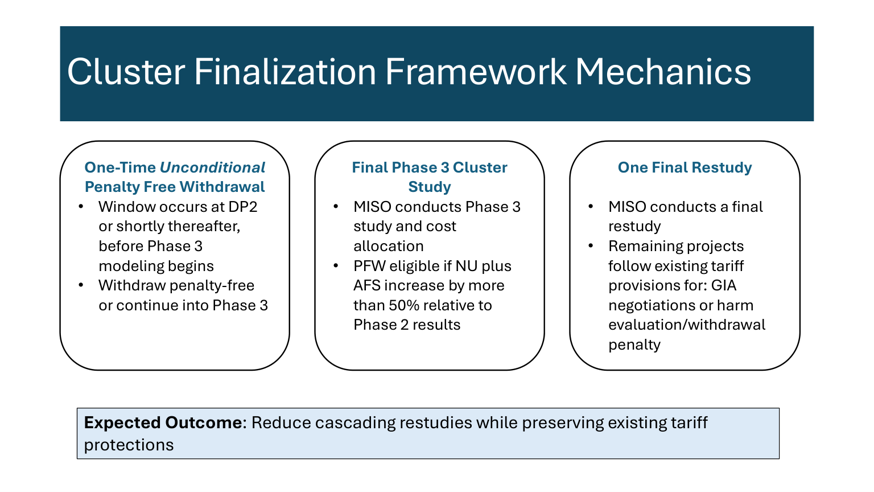
Figure 5. Proposed legacy-cluster finalization framework.
Source: Clearway Energy Group, NextEra Energy Resources, and EDP Renewables, “Legacy Queue Acceleration Framework,” MISO IPWG, Sept. 1, 2026, p. 4.
Again, this is a stakeholder proposal rather than a finalized MISO reform.
What stakeholders should watch next
- Sept. 15: feedback on NSCR-based system-strength screening.
- Sept. 16: feedback on MISO’s queue-cycle restudy process.
- Oct. 13: MISO plans to review NSCR feedback and propose an implementation approach with draft BPM redlines.
- Watch for future Tariff/BPM changes on restudies and additional refinement of application-model data rules.
- Track whether storage-modeling and legacy-queue stakeholder proposals gain enough support to move into formal MISO issue development.
THE BIGGER QUESTION Can MISO reduce queue time by improving study quality early enough that projects do not keep returning for new models, new assumptions, and new restudies?
RMS Energy perspective
The Sept. 1 discussion suggests that queue reform is entering a more technical phase. The first wave of reforms focused heavily on readiness, milestones, and withdrawal discipline. The next wave is increasingly about the engineering machinery underneath the queue.
Better application data can reduce model-build errors. System-strength screening can focus EMT effort where it adds value. A narrower restudy process can reduce cascading delays. And more realistic assumptions for storage and legacy projects could prevent the study model itself from becoming the source of unnecessary upgrades.
For developers, that means interconnection readiness is becoming more than site control and deposits. Model quality, resource behavior, and the consistency of technical data are becoming central to schedule risk.
#MISO #GeneratorInterconnection #IPWG #EnergyStorage #IBR #EMT #GridReliability #TransmissionPlanning #PowerSystems #RMSEnergy