
What MISO’s proposed large-load process means for data-center developers, utilities and equipment suppliers
A 90-day study clock sounds fast. In MISO’s proposed large-load process, it is fast, but only for projects that arrive with their engineering already done.
The clock starts only after the application is accepted and the models are built. Required EMT studies must be finished before the application. An application still incomplete after a 10-business-day cure period exits the process, and missed mitigation deadlines lead to withdrawal.
For data centers, the schedule risk has moved. It now sits in the months before the application, not in the study itself.
Speed depends on readiness
MISO’s proposed Large Load Project Review (LLPR) would cover new loads of 50 MW or more, and increases of 25 MW or more. Studies would run in three cycles per year, starting from MISO’s regional planning models.
The 90-day clock covers analysis, mitigation and reporting. Pre-application work, application review, model building and final approval sit outside it. Network upgrades and service requirements can add more time.
The practical lesson: plan from the date your evidence is complete, not from the date you apply.
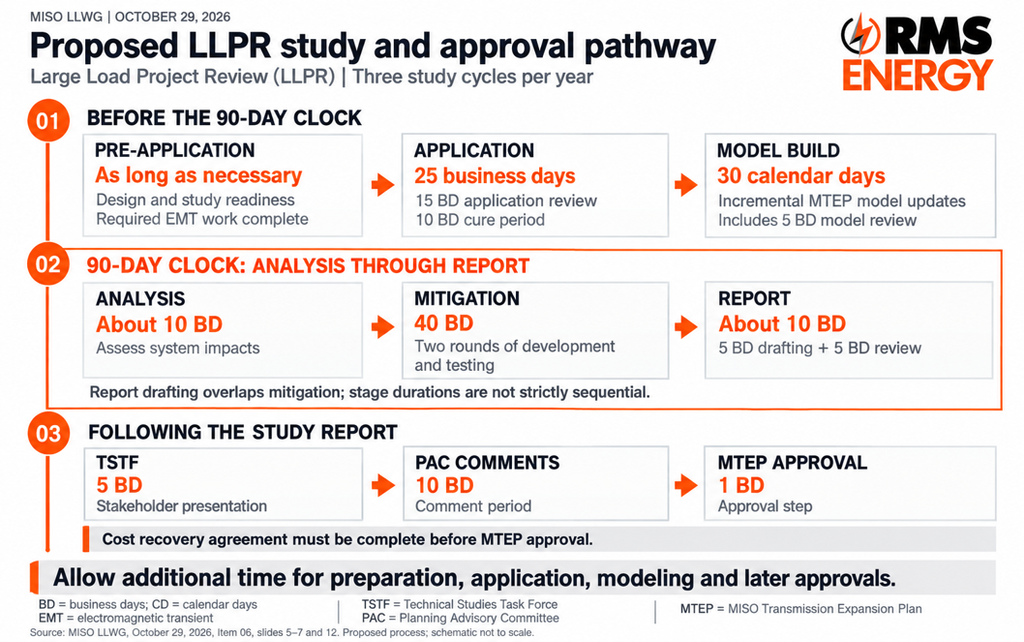
Figure 1. The proposed LLPR pathway. The 90-day clock covers only the middle steps.
The model is now part of the application
MISO’s proposed application asks for much more than a MW number. It includes steady-state, dynamic and, where needed, EMT models, plus a one-line and Transmission Owner study results.
It also asks how the facility behaves: load mix, staged ramp-up, UPS and battery storage, onsite generation, protection, ride-through and recovery. On a weak part of the grid, the proposal expects an EMT study to show reliable performance or effective mitigation.
This is not only a planning task. It joins electrical design, protection, controls and data-center operations. If the one-line, equipment data and simulation model do not tell the same story, reviewers will find the gap.
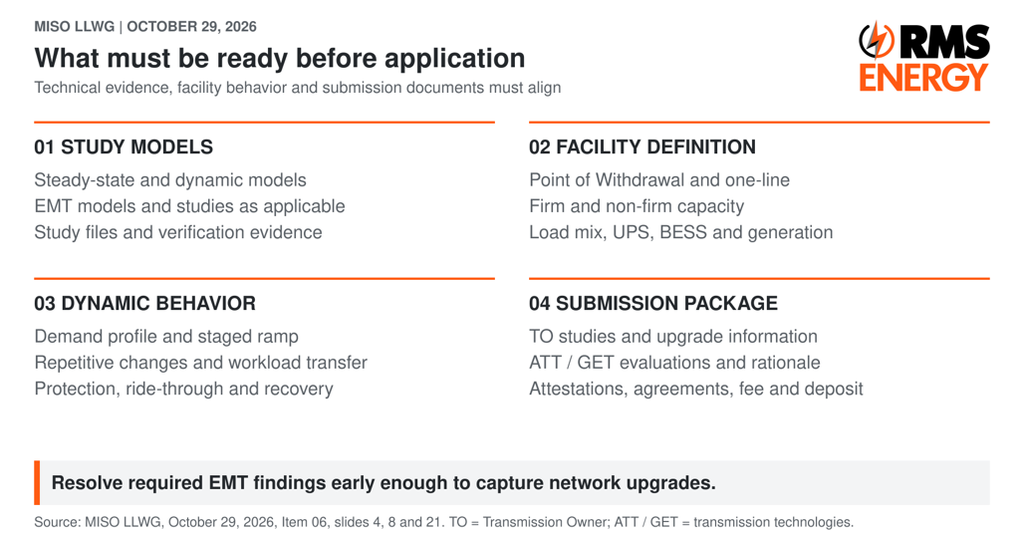
Figure 2. What the proposal expects to be ready before application.
Average load is not the whole story
A facility’s average MW does not describe its full grid impact. AI training can drive fast, repeating load swings that travel through the network and interact with nearby generators and their controls.
This is not theoretical. ERCOT has measured a large load oscillating about 50 MW peak-to-peak, and a two-hour 14.7 Hz oscillation has been traced to a data-center-rich area in Dominion’s system.
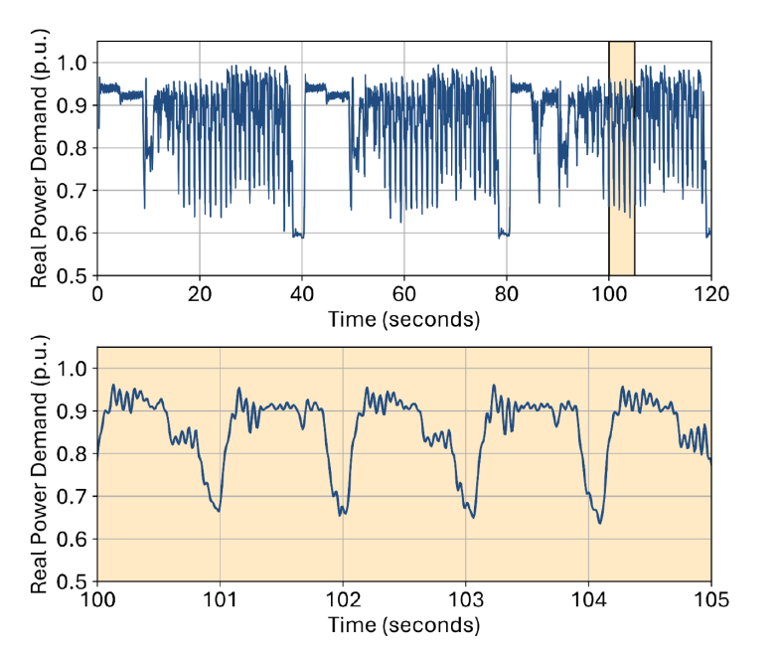
Figure 3. Real power demand from AI training, swinging between about 0.9 and 0.65 pu roughly once per second. Source: NERC, Characteristics and Risks of Emerging Large Loads, as presented by MISO.
MISO’s proposed Power-Fluctuation Propagation Study (PFPS) would set limits for these swings. The limit starts at the generator, not at the data center. MISO would then use network sensitivity to work back to how much variation the load may create at its own connection point.
The example screening value is 0.01 pu at the generator terminal. It is a screening level, not a final customer limit. Going above it means more study, not proven equipment damage.
The practical lesson: allowed swings are expected to differ by MISO subregion. Workload coordination, energy storage or other controls may be needed, and what counts is the net power the grid sees. MISO targets limits in December 2026 and implementation in early 2027.
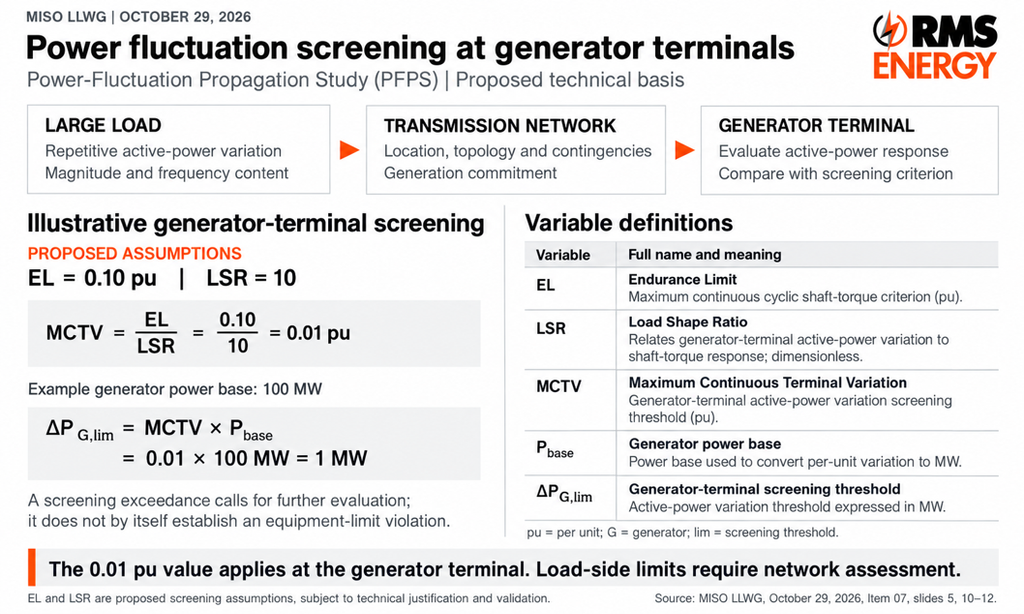
Figure 4. How PFPS links load swings to generator response. The numbers are illustrative.
An exemption is not a free pass
MISO also proposed a reliability backstop. A load that is partly or fully exempt could still face tailored requirements if it causes a significant, credible and negative reliability effect.
MISO pointed to the July 22, 2026 PJM event, when about 3.8 GW of data-center load in Virginia moved to backup power after a transmission line outage. PJM’s preliminary view links it to voltage ride-through performance, which is why backup transfer and ride-through matter beyond the facility fence.
What to do now
Data-center developers: Start dynamic and EMT modeling at the design stage. Model UPS transfers, backup power and reconnection, not only full load.
Utilities and Transmission Owners: Agree on the study scope and boundary with customers early, and prepare the study results MISO will ask for.
Equipment and UPS suppliers: Expect requests for validated models and ride-through data. Be ready to show how controls limit repeating power swings.
In MISO’s new process, a complete model is the fastest path to service.
Feedback deadlines
| November 4, 2026 | LLPR tariff and new exhibit |
| November 6, 2026 | Material adverse effects framework |
| November 10, 2026 | PFPS methodology and development of limits |
Feedback portal: https://www.misoenergy.org/engage/stakeholder-feedback/
Learn how RMS Energy supports complex transmission projects here: T&D engineering and consulting services
Sources
MISO, Large Load Application and Study Process, LLWG, October 29, 2026 (Item 06).
MISO LLWG materials: https://www.misoenergy.org/engage/committees/large-load-working-group/